
Anthurium Metallicum
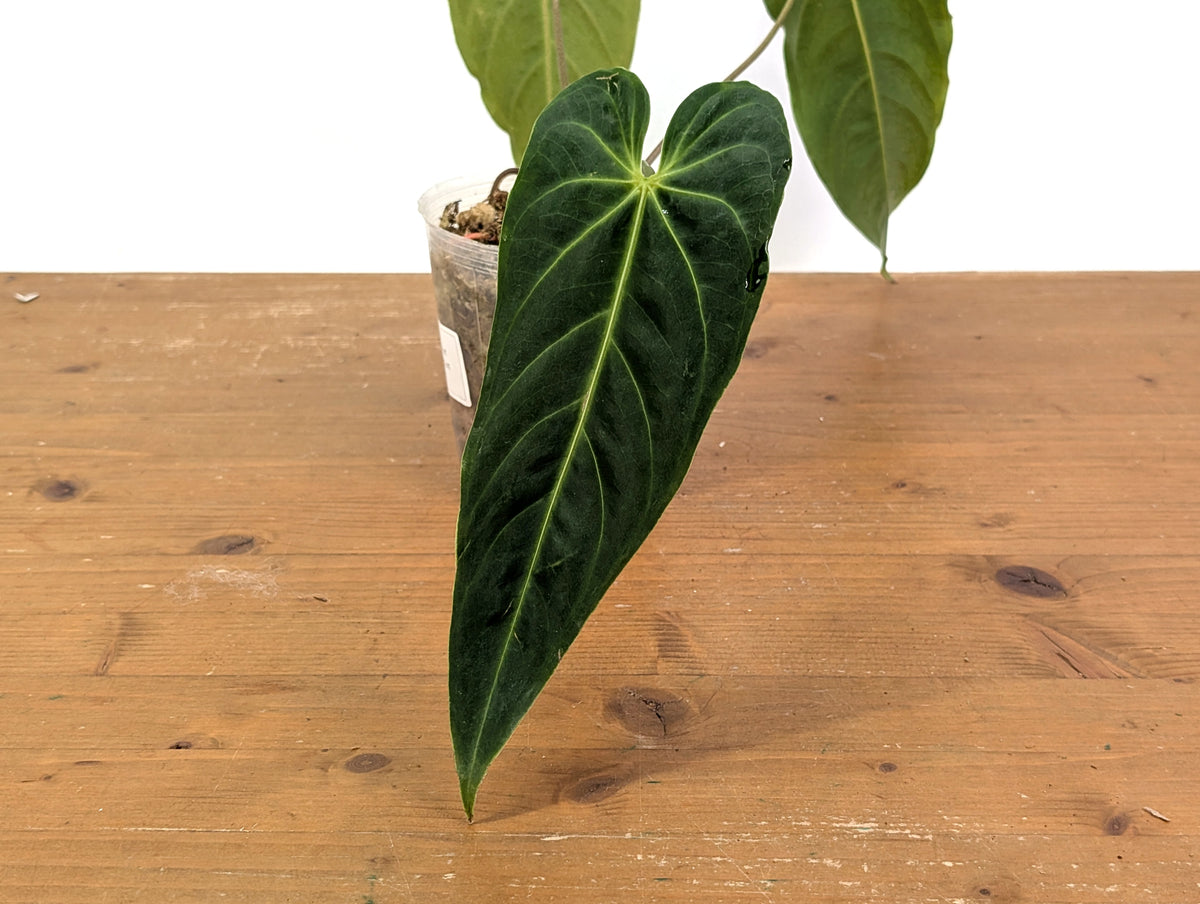
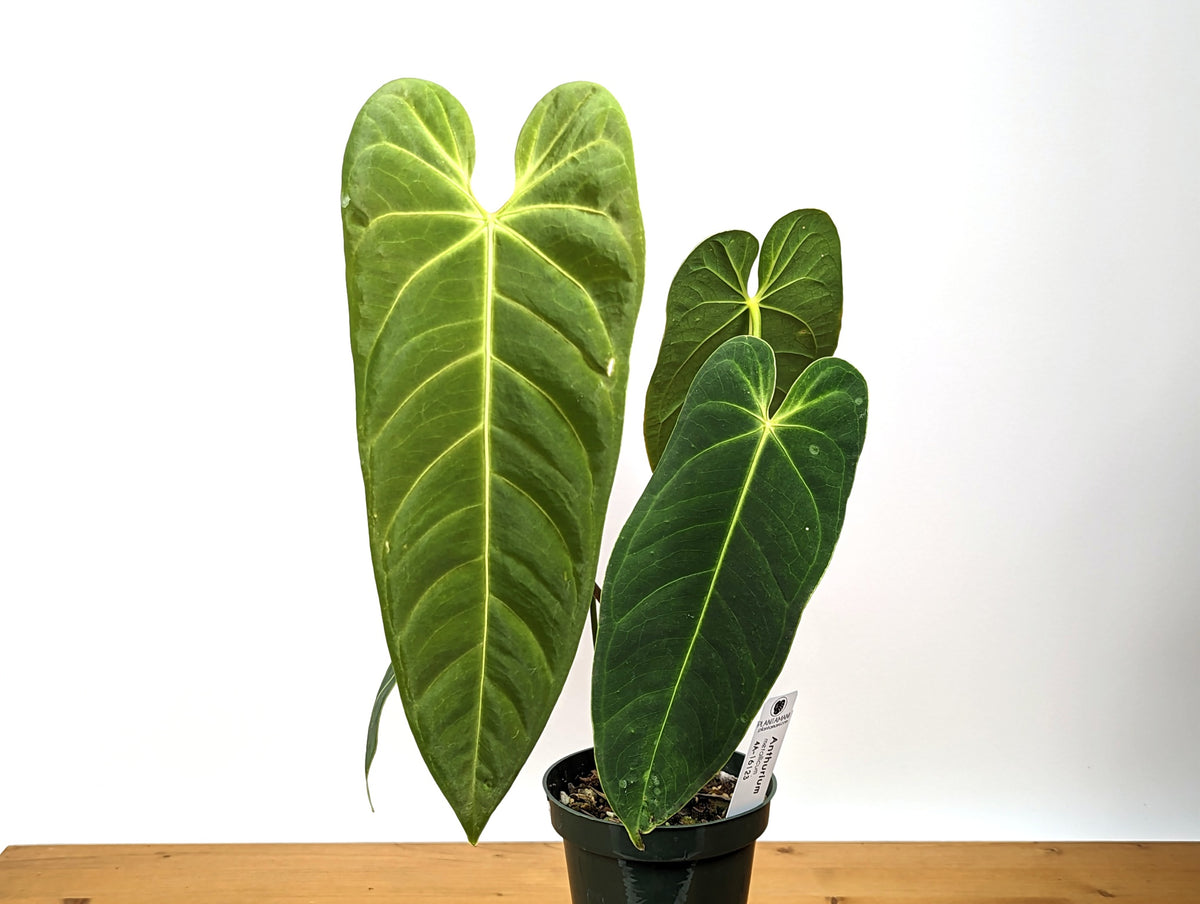
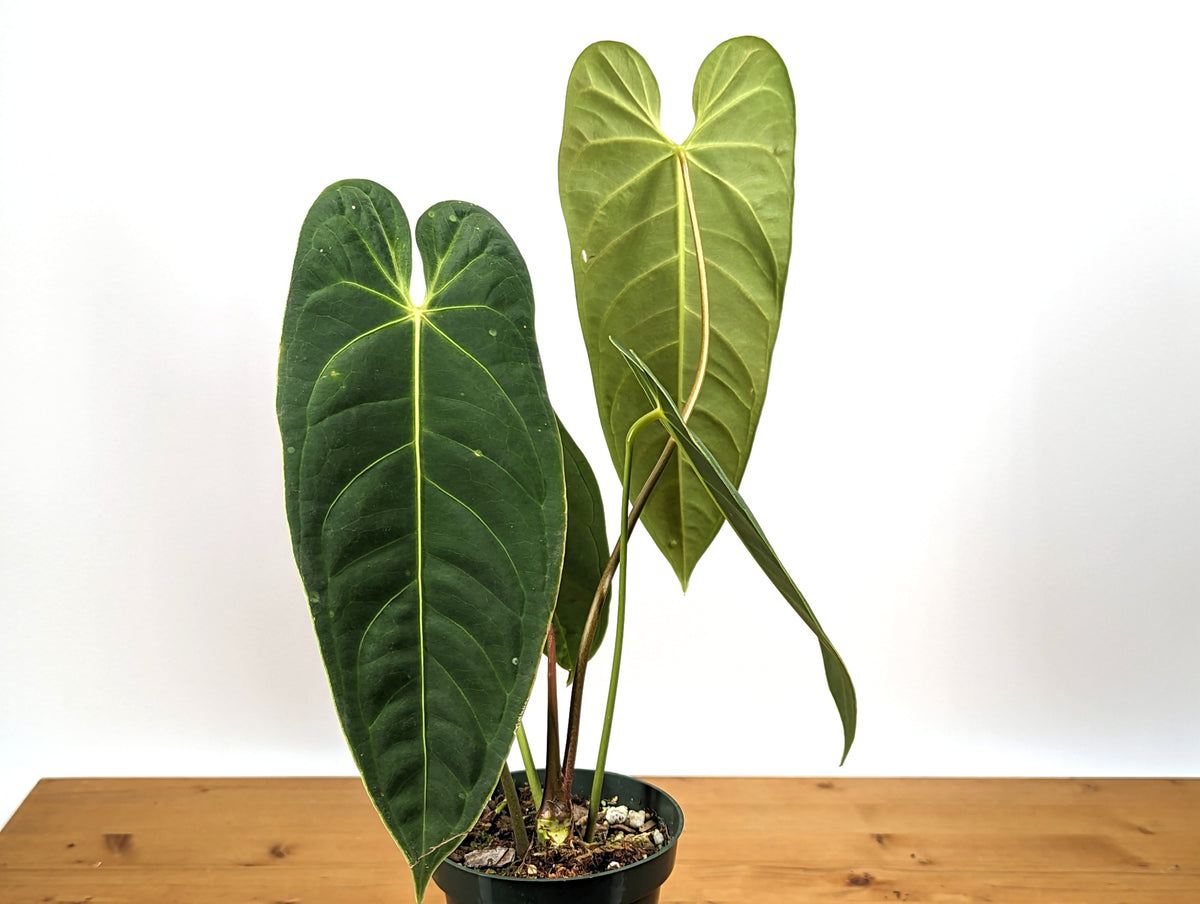
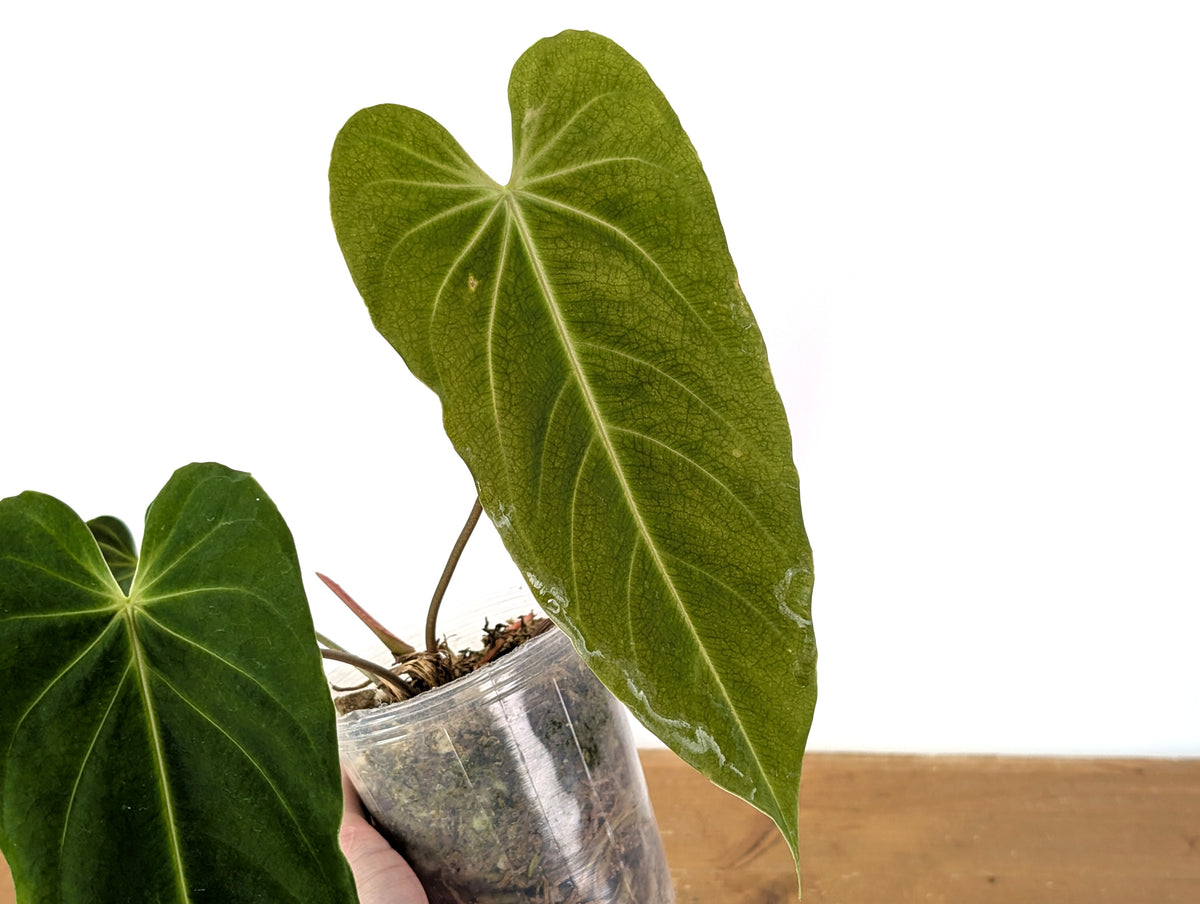
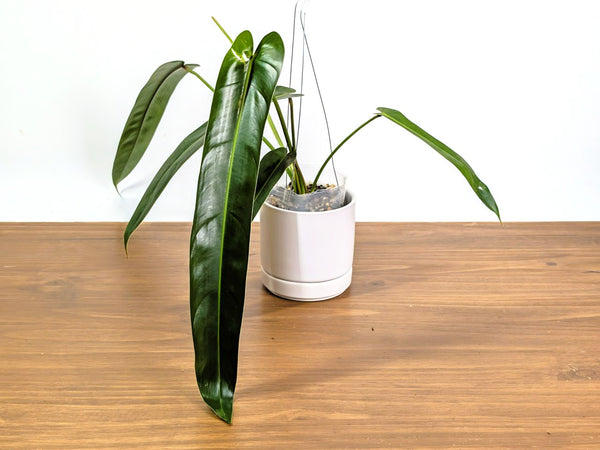
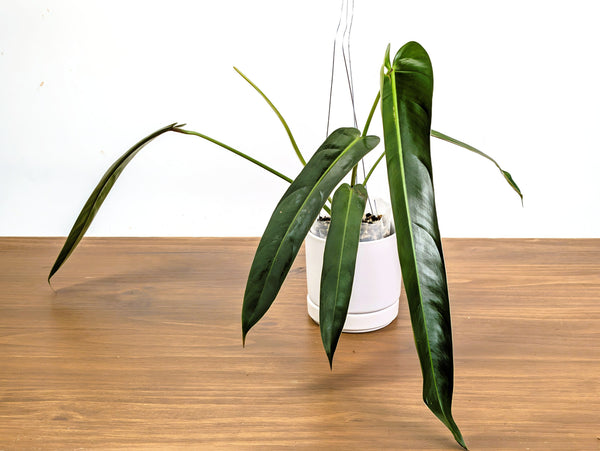
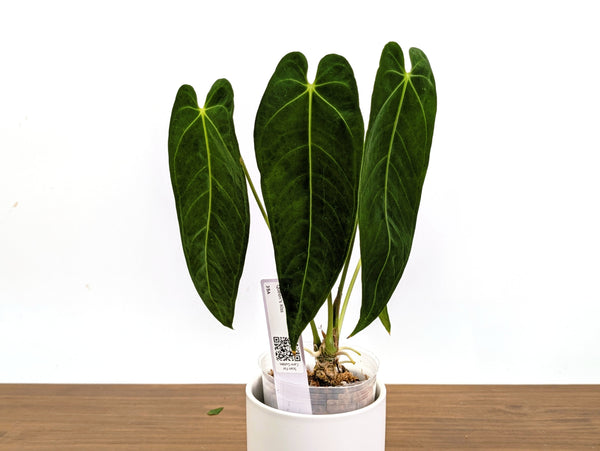
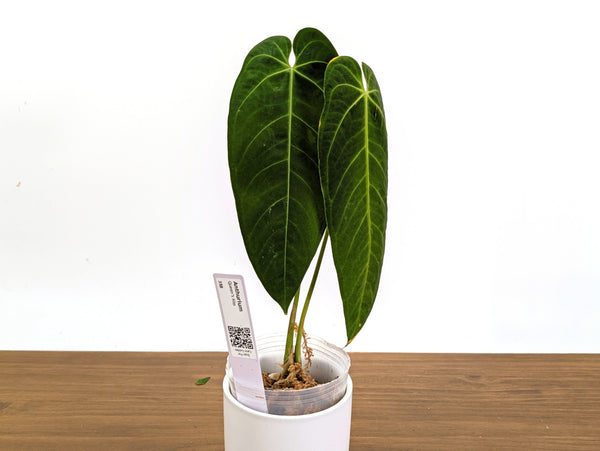
A cool-growing velvet anthurium native to the cloud forests of Colombia, classified in the section Cardiolonchium alongside other velvet-leaved species. It produces long, sub-erect to spreading, deeply velvety leaves with a metallic sheen and contrasting light green to cream venation, gathering gracefully at the apex of the stem. Young leaves emerge burgundy before maturing to deep, lustrous green. Notably more tolerant of cooler conditions than most tropical anthuriums.
-
Light: Bright indirect light maintains the metallic sheen and vibrant venation; adaptable to lower light but avoid direct sun which scorches the velvet leaves.
-
Soil: Loose, well-draining mix of orchid bark, perlite, coco coir, and charcoal; excellent drainage essential to prevent root rot. Never waterlogged.
-
Temperature/Humidity: Cool to warm temperatures between 50-77°F — more cold-tolerant than most velvet anthuriums, but protect below 50°F. High humidity of 60-80% is essential.
-
Watering: Keep evenly moist but never soggy — water when the top layer feels slightly dry. Never allow to dry out fully; never waterlog.
-
Fertilizer: Feed with a balanced liquid fertilizer diluted to quarter strength every 4-6 weeks during active growth; sensitive to fertilizer salt buildup. Reduce in winter.
Anthurium metallicum
Every plant is unique. Your plant will be cared for like it's our own and selected especially for you. Plants may arrive with minor cosmetic imperfections such as creases, tears, or discoloration from shipping stress. Please allow up to 2-3 weeks for your plant to acclimate before repotting.
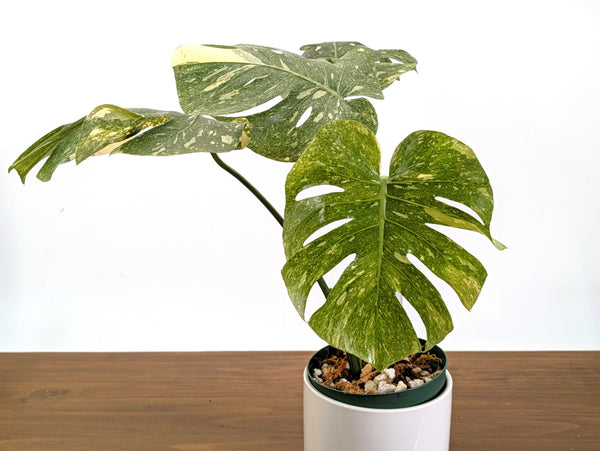
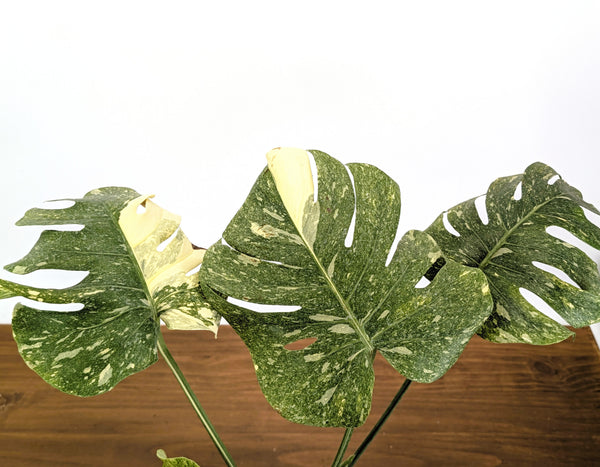
Plants listed as "EXACT" in the title will be the exact plant pictured. Decorative pots pictured are not included, plants ship in plastic nursery pots unless otherwise noted.
Feel free to contact us with any questions before placing your order — we're here to make your experience easy and enjoyable.
Ships in 3–5 business days via UPS Ground. Expedited delivery options are available at checkout. 2 Day Air is recommended for all plant orders outside of southeast USA for safe delivery.
Cold protection packaging is available for orders shipping to colder climates — add it here.
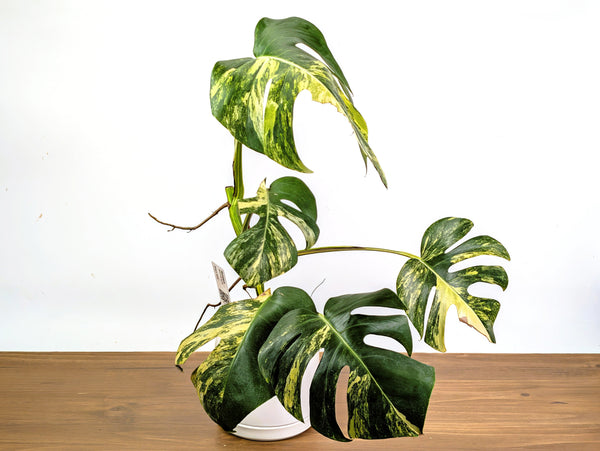
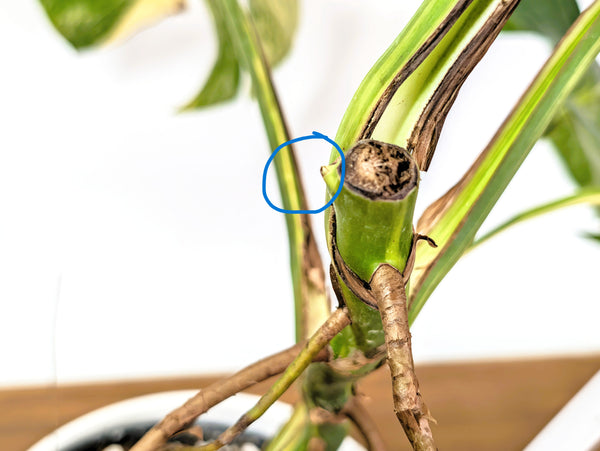
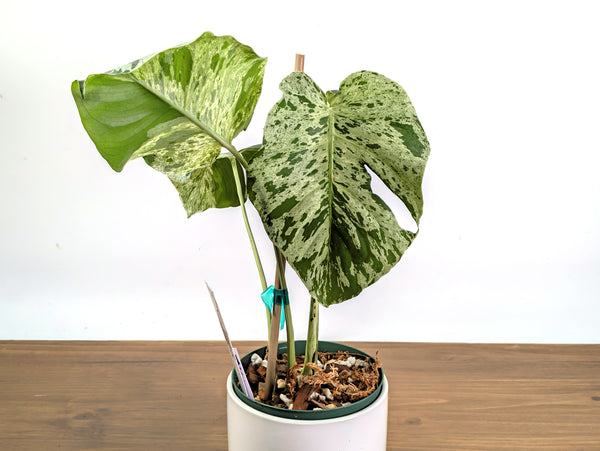
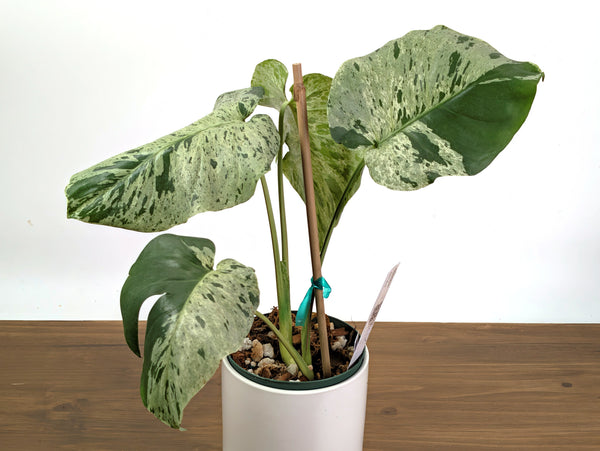
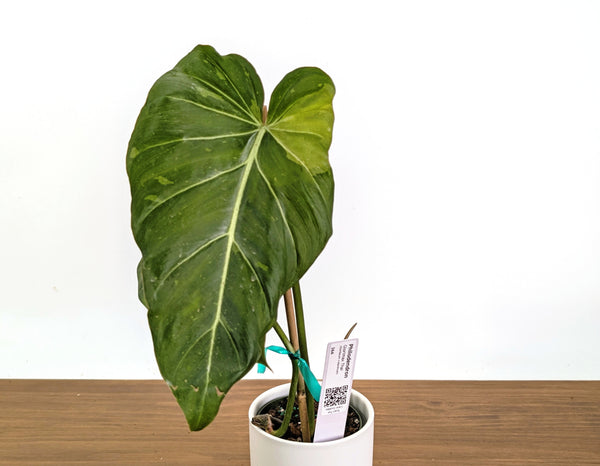
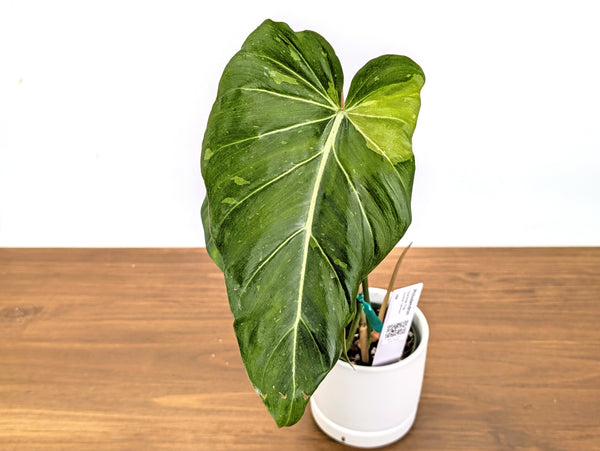
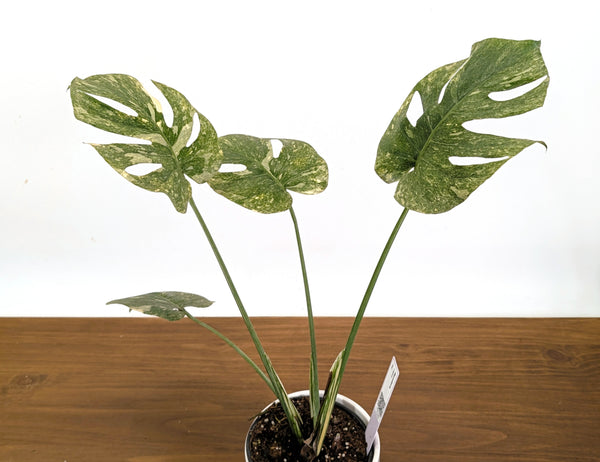
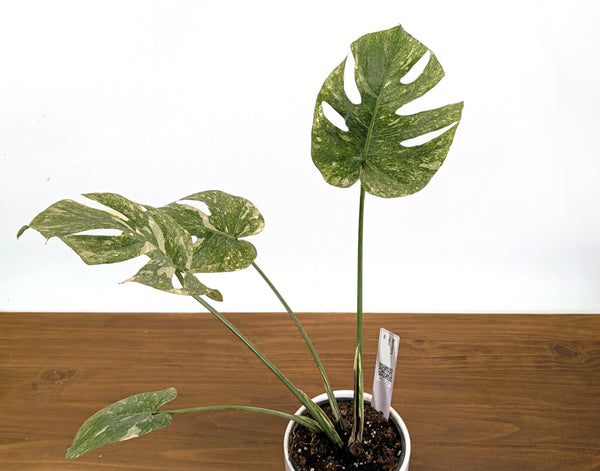
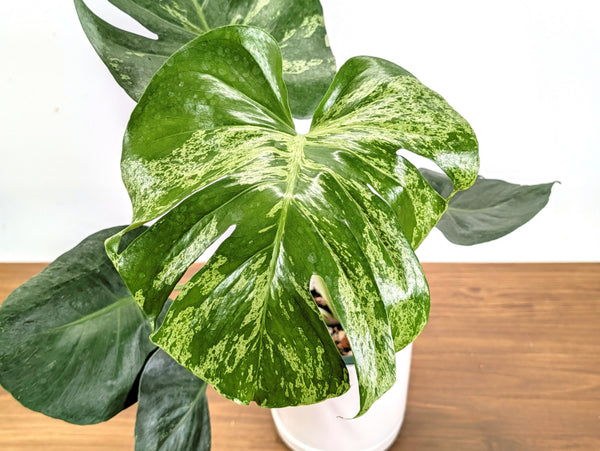
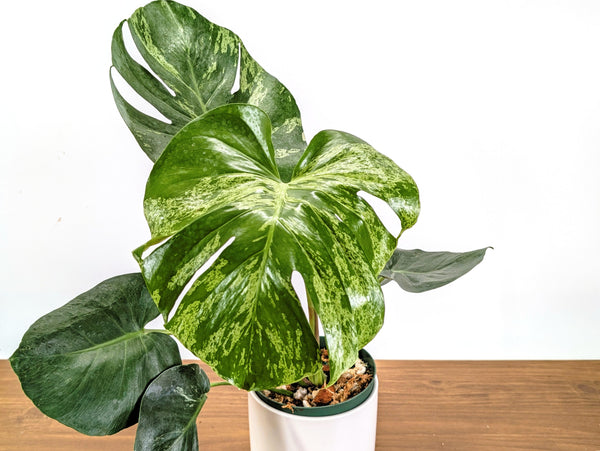
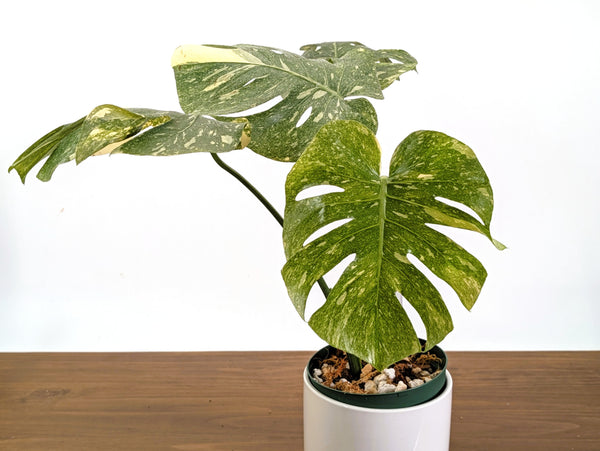
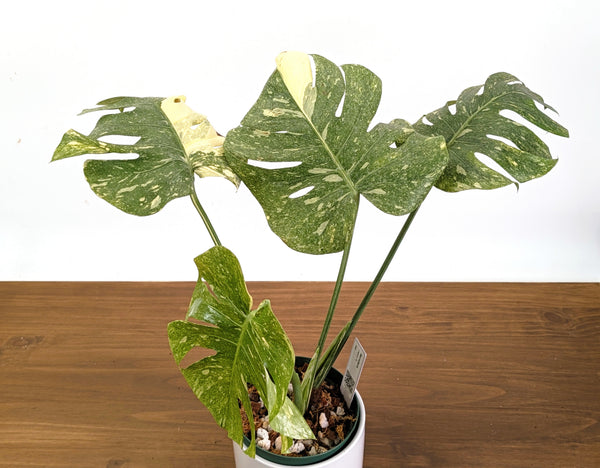
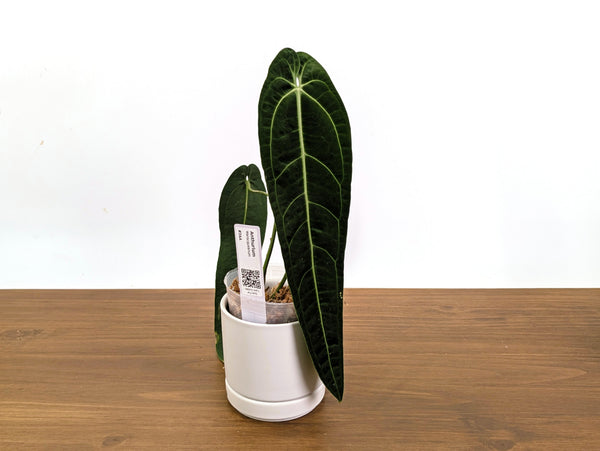
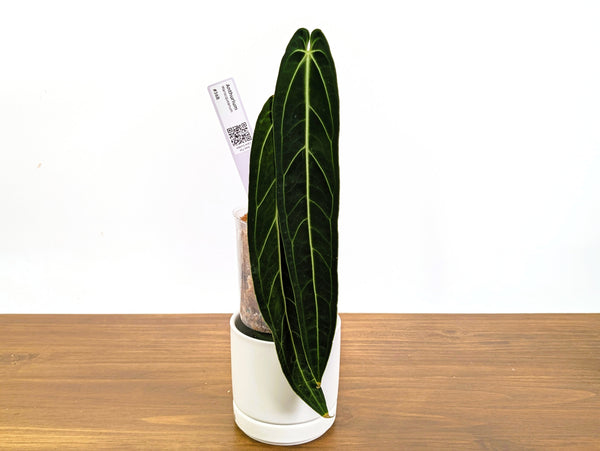
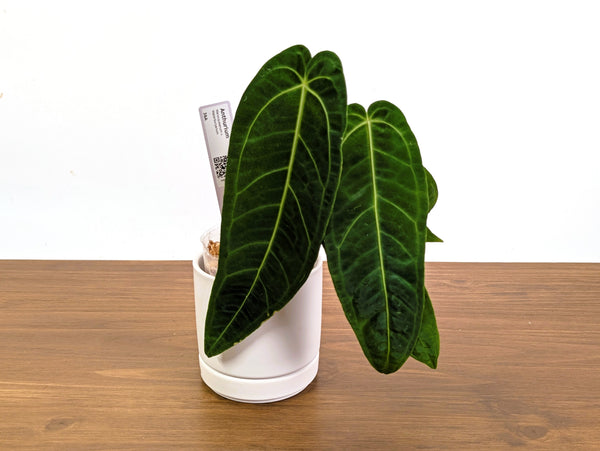
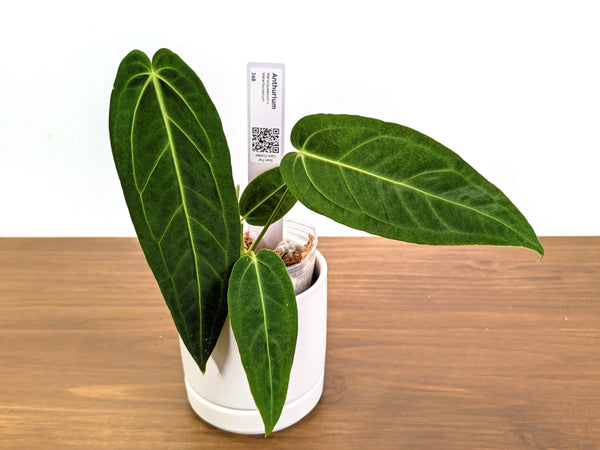
Gorgeous plant! Very hard to find. Leaves become ENORMOUS! It is only native to the Columbian rain forest. A rare beauty. Packed with the utmost care, as only a professional can provide. Not a blemish. Price is reasonable as well. Couldn't be happier!
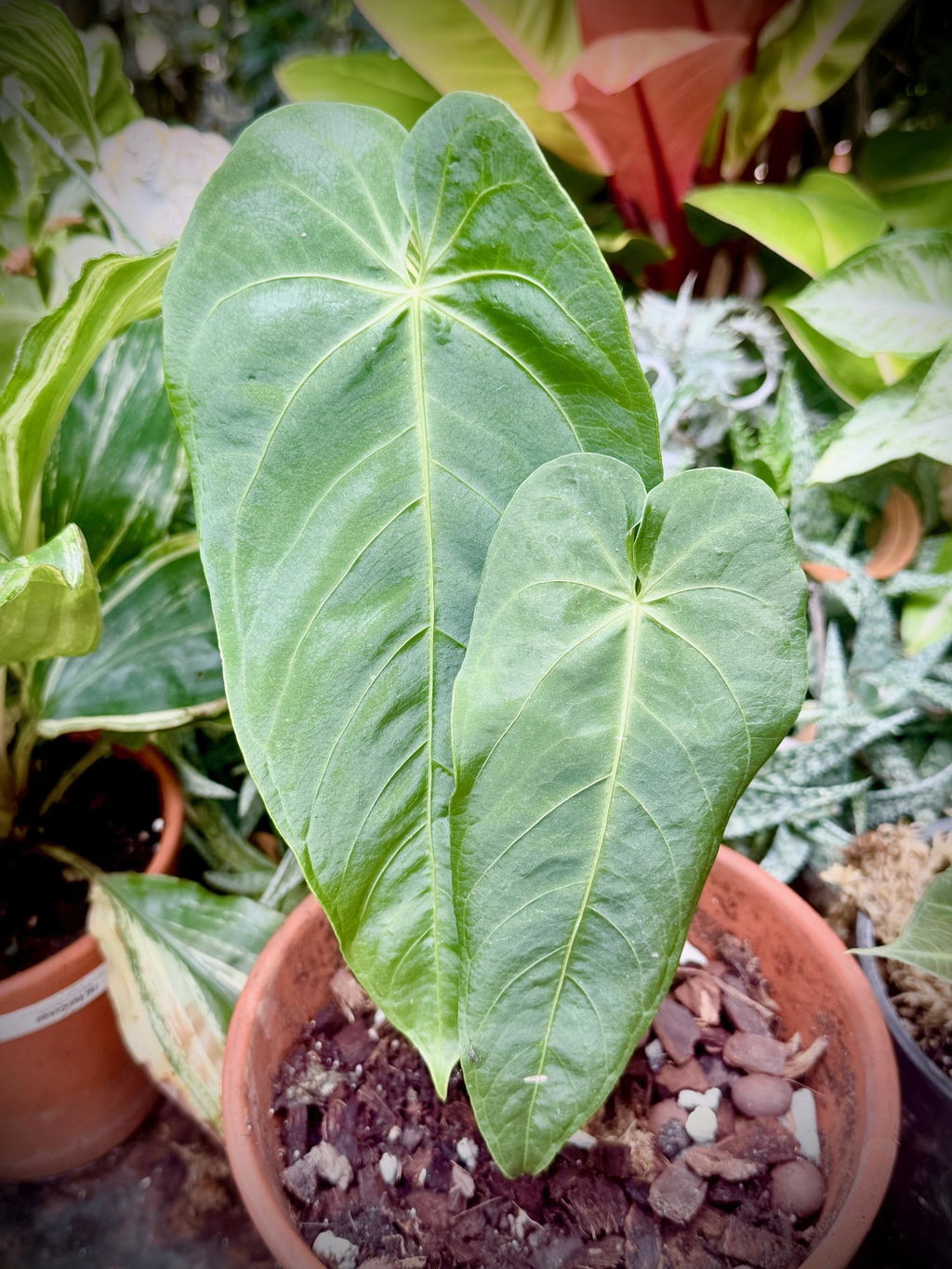
Beautiful Antherium that arrived in perfect condition! I am in love!!!! Thanks Y’all for the wide variety of plants that you grow and for the care you give them! All my philos and my Antherium have been wonderful!
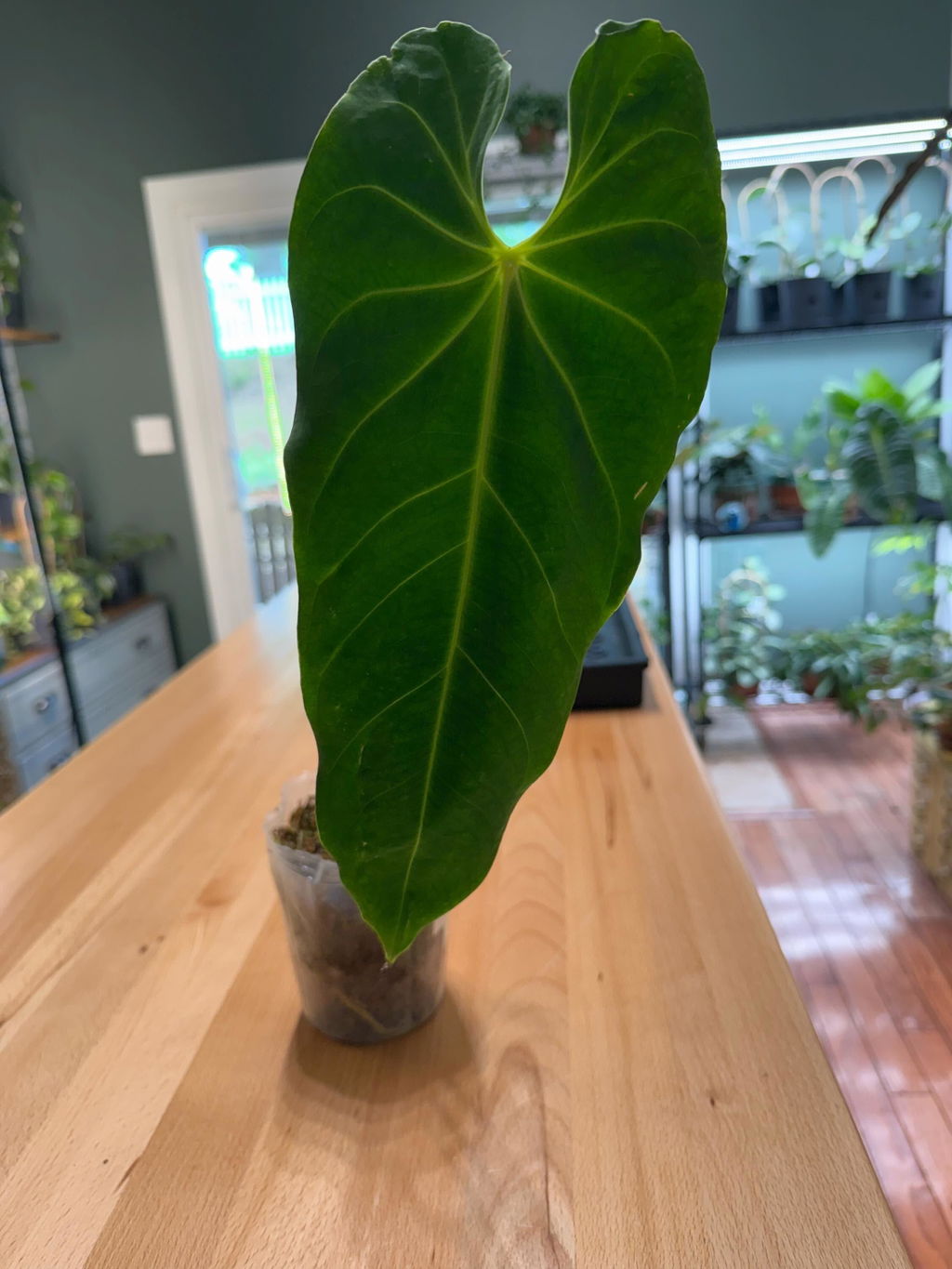
Beautiful and healthy, just as advertised!
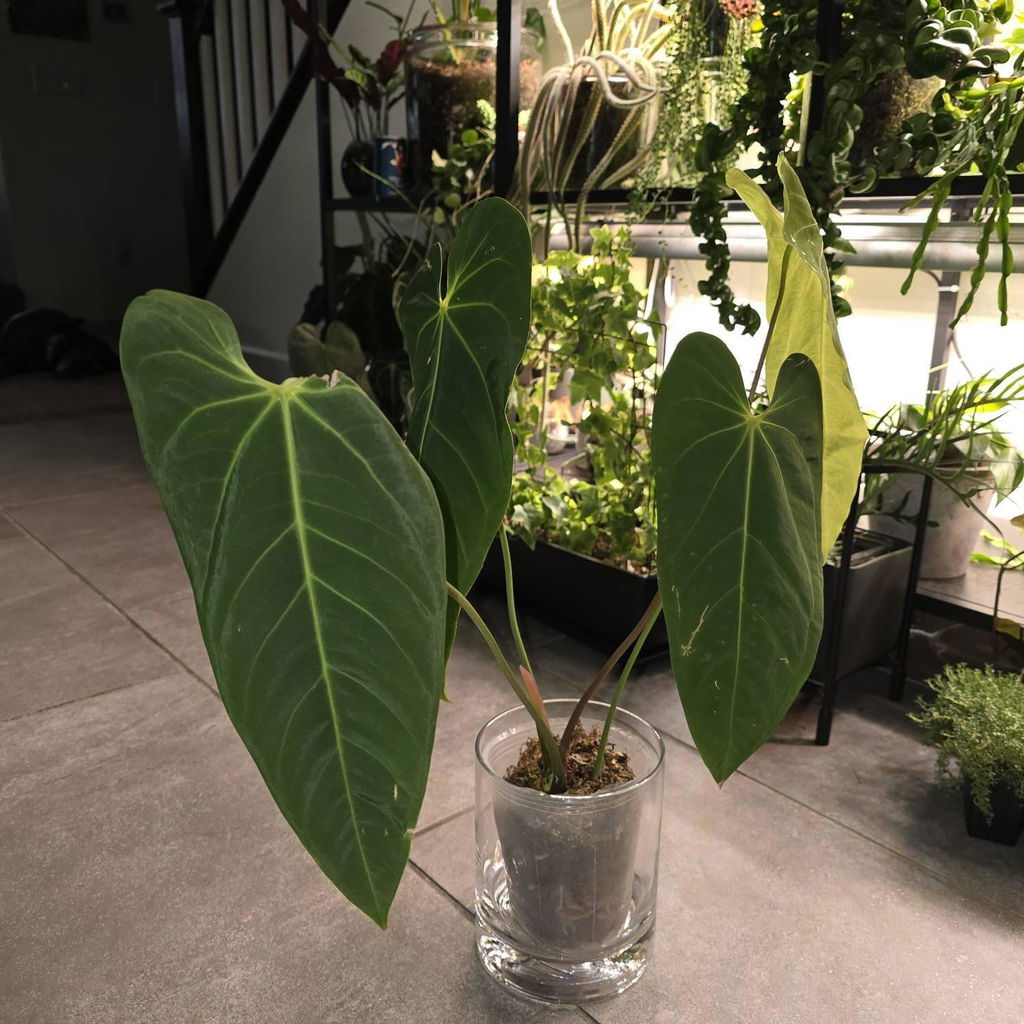
item came exactly like picture !